Sir Timothy’s Pavilion
Cricket, Tea, and Charm


This a Beta Version.
Not yet operational.
"A living narrative, blending high-quality tea, the spirit of cricket, and a touch of civilised character into a theatrical universe.
The Pavilion is a place where tea, cricket, and gentle eccentricity are organised into a coherent way of life.
A cultural embassy for an idea of Britain that may never have existed, yet ought to have.”

Some things cannot be bought. They are just acquired. Timothy Monday’s Teas, Signtature Blends, Tea Fare, Teaware & Memorabilia
— Curated Editions —
They may now be all acquired online throughout Argentina.


The Legend of Sir Timothy
The Pavilion is a living chronicle — a universe where the rituals of tea and cricket measure time, and where the turning of pages in leather-bound books is regarded with the same quiet reverence as the tolling of cathedral bells. You are invited to a story of taste and civilised oddity, weaving British heritage into the world imagination.
When it all comes down to Tea Breaks, Timothy Monday is definitely the name of cricket.

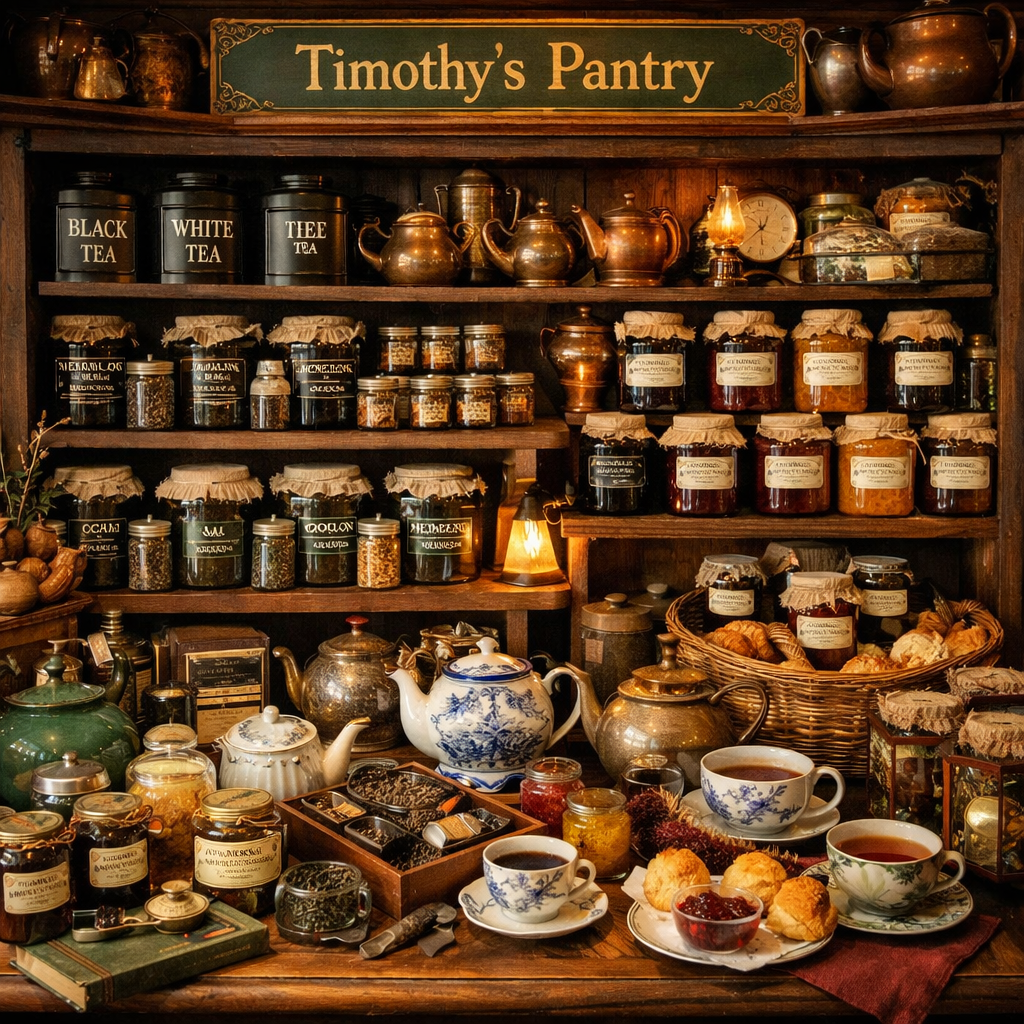
Our Pavilion Pantry

“Should anything within the Pavilion Pantry commend itself to your appetite or curiosity, you are most welcome to secure it at your leisure.” - Timothy Monday

A curated selection of signature tea, cricket-inflected teaware, tea fare and memorabilia designed for the civilised unreasonableness of a life worth living.
Delicately prepared for the unique Argentinian taste.





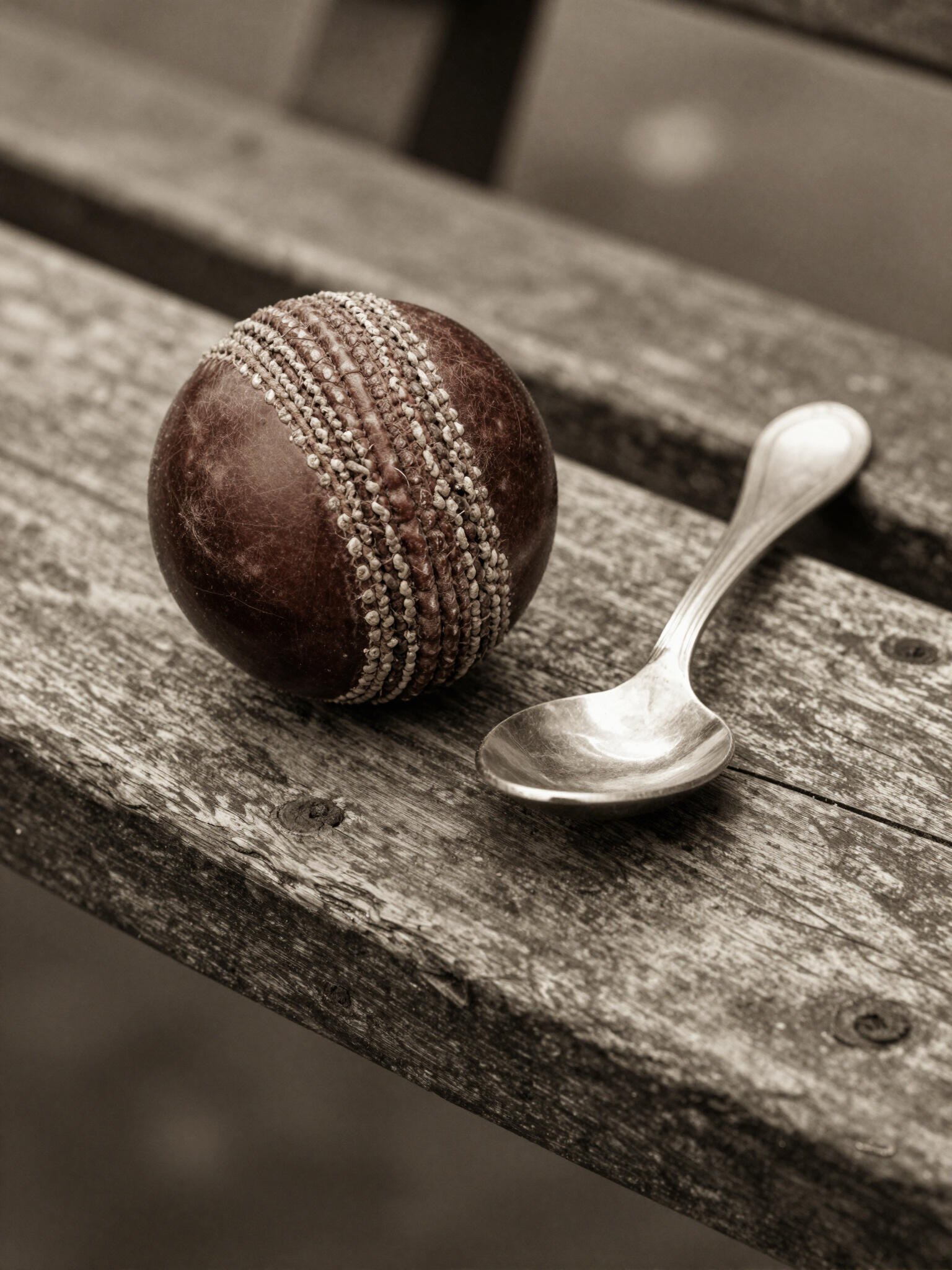
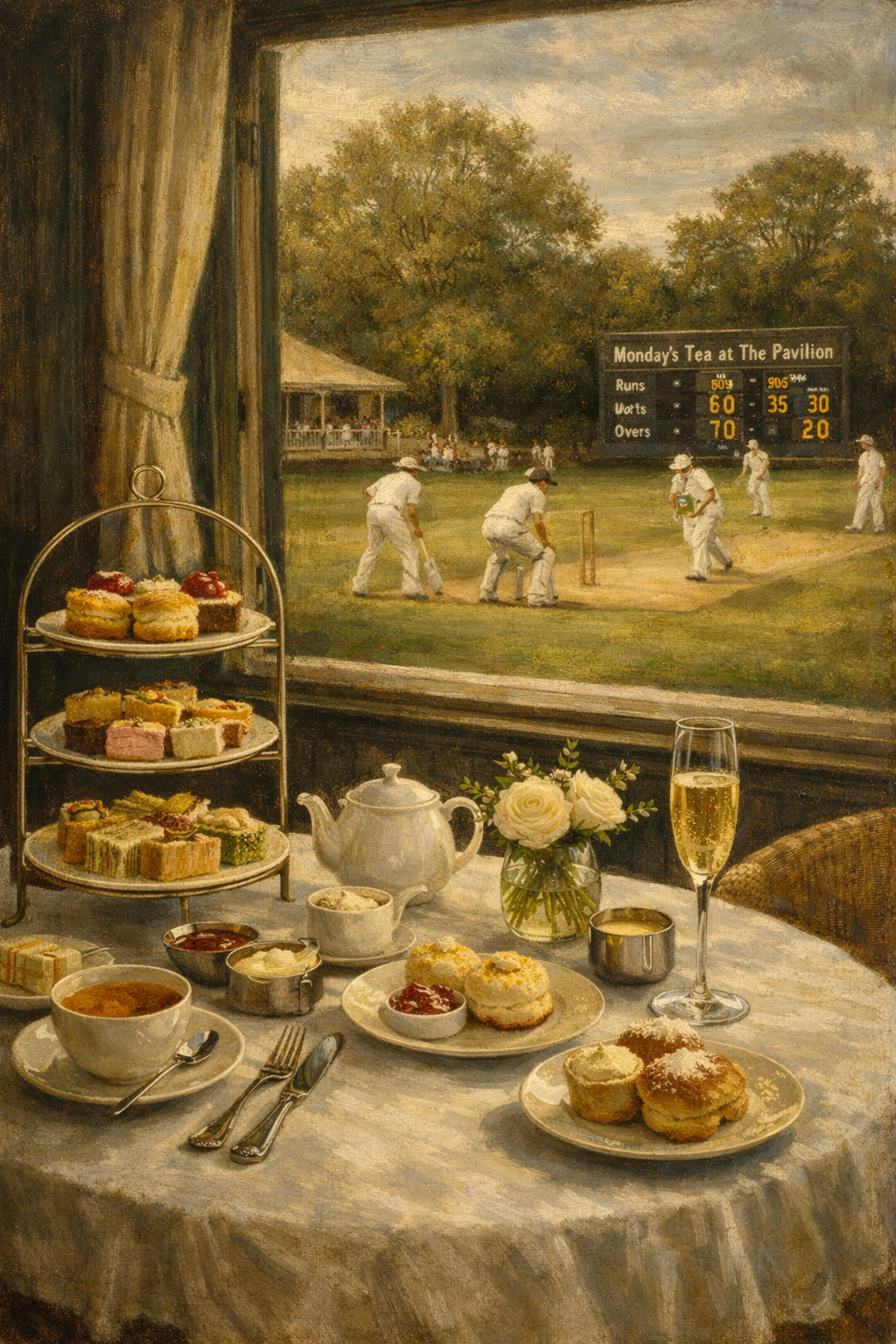
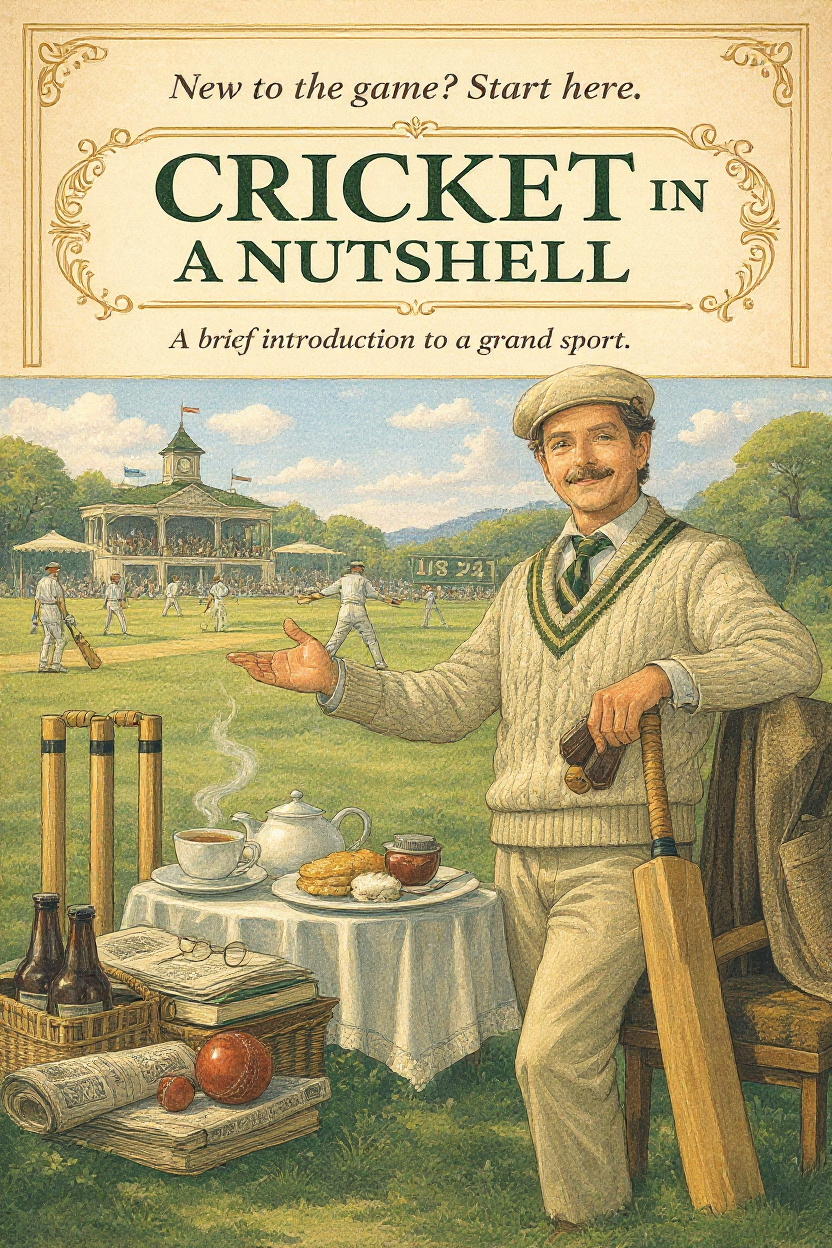
The Inevitable Union of
Tea & Cricket
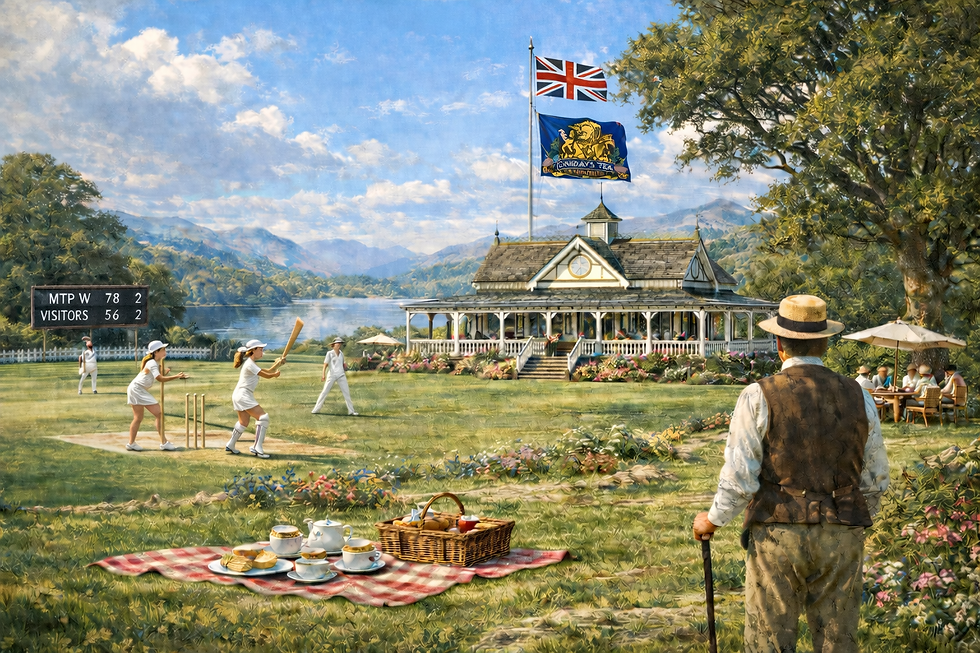

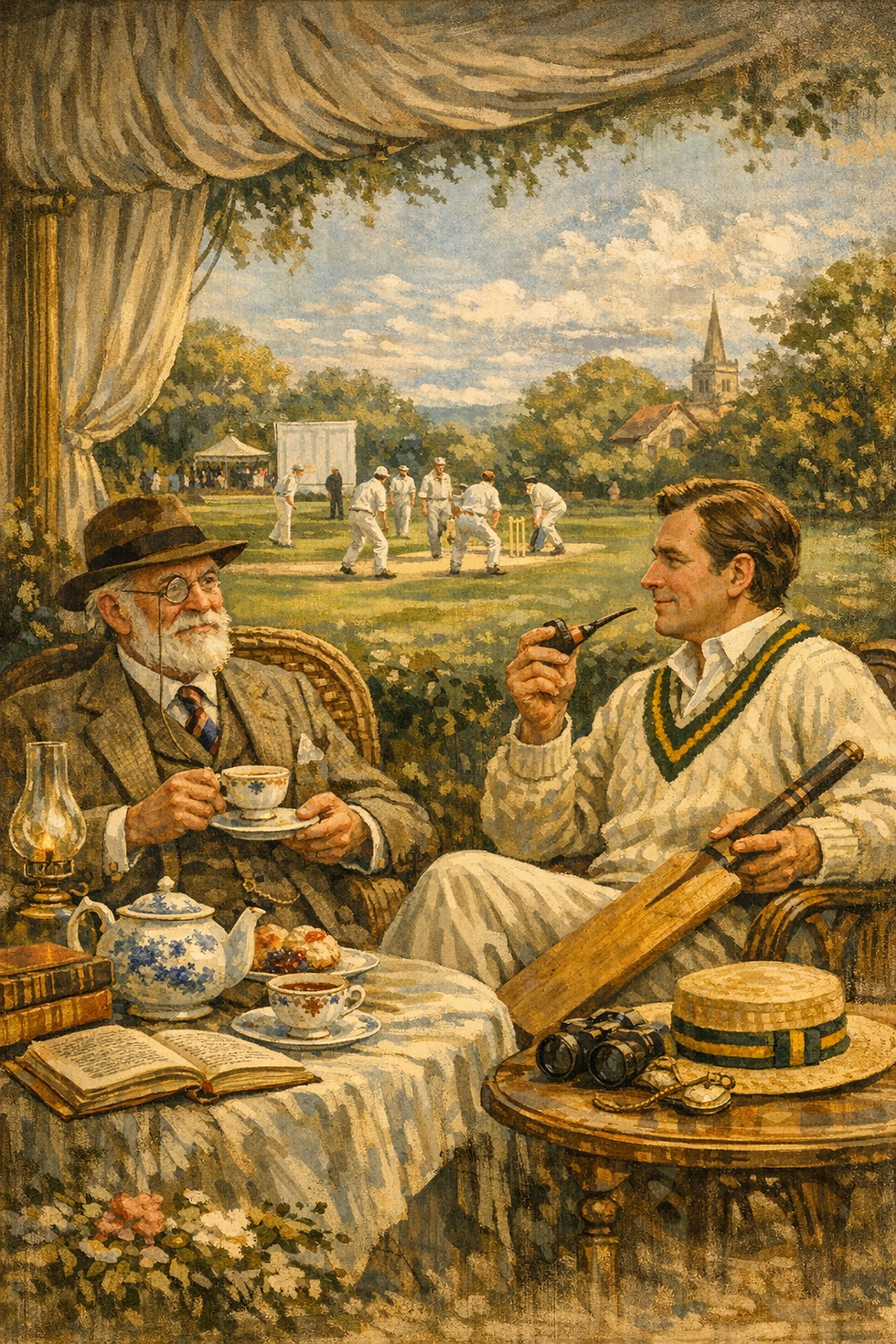

Tea and cricket share a refusal to rush. Rituals disguised as pastimes, they cultivate a state of mind where time behaves more politely. Nothing of real value happens quickly — everything happens in the waiting.

Tea teaches patience the way prayer teaches breathing. One does not rush tea; one courts it. The leaves must surrender their colour the way old gentlemen surrender their stories — slowly, reluctantly, and with great dignity. Patience, I have always believed, is simply time allowed to become courteous. A good cup of tea does not announce itself loudly. It arrives quietly, like a well-written letter, already knowing it will be read twice.


To relax properly is not to collapse into leisure, but to sit within it as one sits within a cathedral — respectfully, attentively, aware that stillness is not emptiness but architecture. Tea is the domestic form of grace. The steam rises like a prayer that has not yet decided whether it will become a hymn. When I drink tea, I feel myself becoming slightly more civilised, slightly more ancestral, and considerably less hurried by the modern world.